If you run a business that depends on software — an e-commerce store, a SaaS product, a booking platform, or even an internal ERP system — your infrastructure is now as critical as your storefront. Yet most small and mid-sized businesses still treat "IT" as a cost center that only gets attention when something breaks.
That mindset is exactly what a DevOps department is built to fix. This post walks through what DevOps actually is, what "secure and resilient infrastructure" means in practice, how a DevOps function pays for itself, and two case studies — one technical, one business-focused — that show the impact in numbers.
Table of Contents
1. What Is DevOps? A Business Owner's Definition
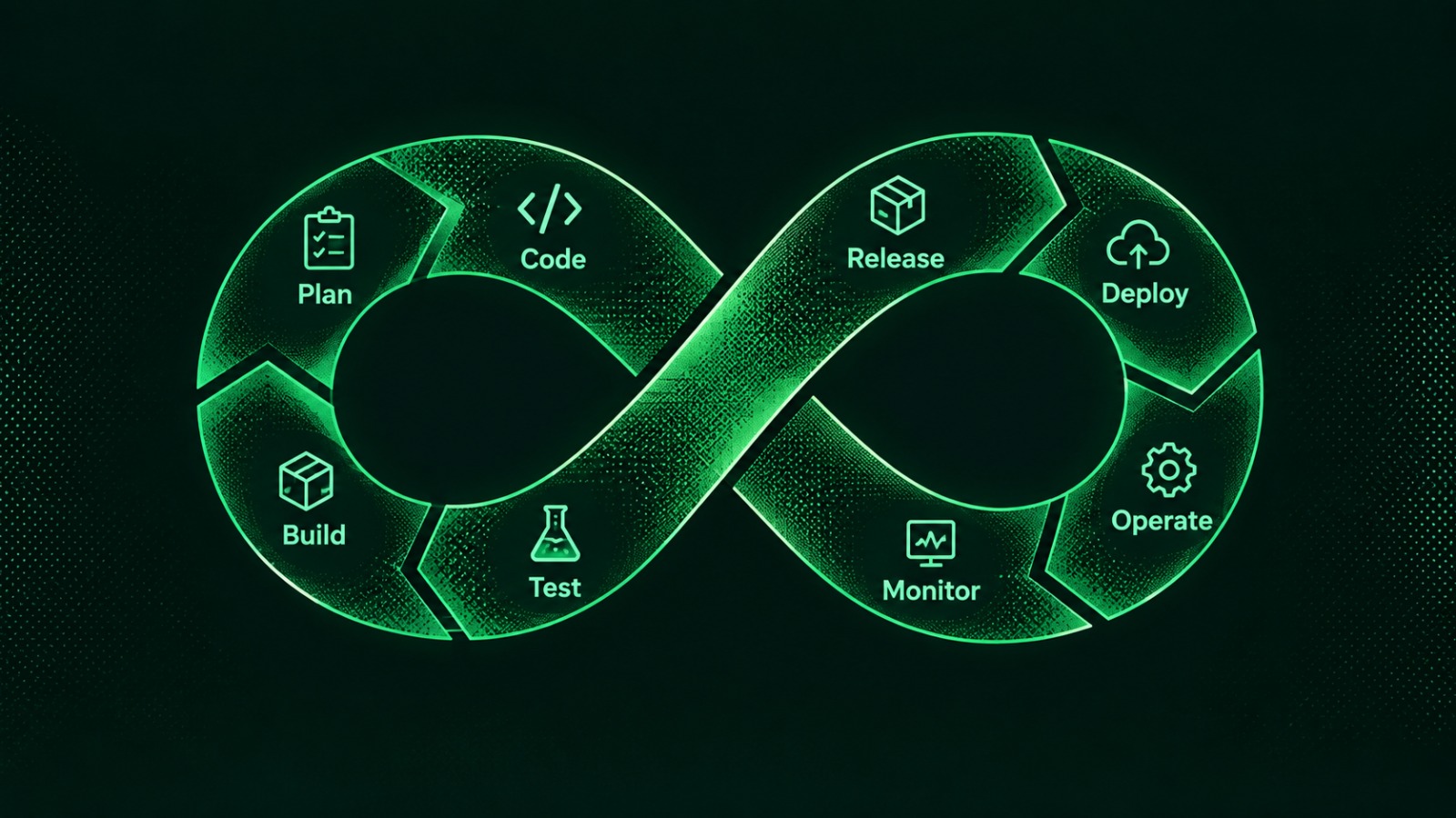
DevOps is often misunderstood as "a tool" or "a job title." It's neither. DevOps is a culture and set of practices that merges software Development (Dev) and IT Operations (Ops) into one continuous workflow, instead of two teams that only talk to each other during a crisis.
In a traditional setup:
- Developers write code and "throw it over the wall."
- Operations teams deploy it, often weeks later, and get blamed when it breaks.
- Security is bolted on at the very end, if at all.
In a DevOps setup:
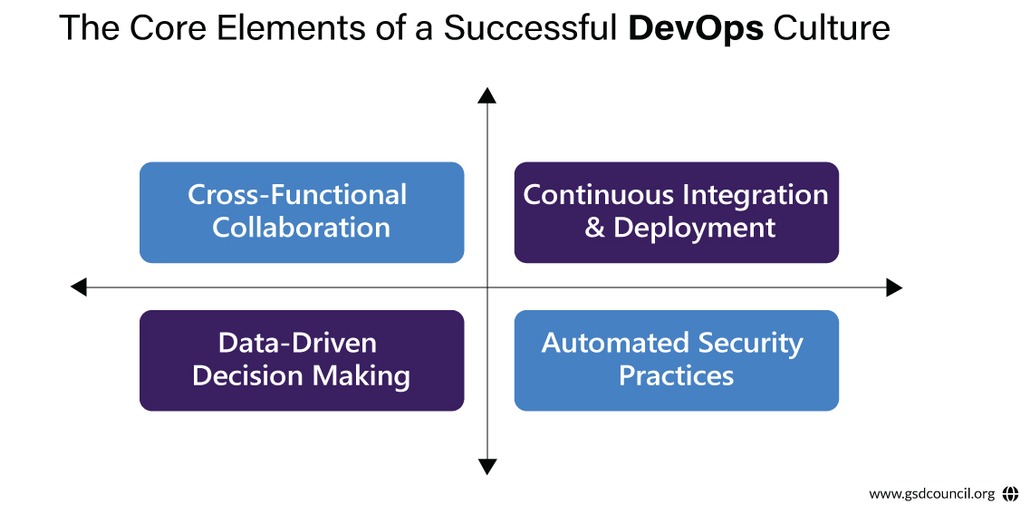
- Code is built, tested, and deployed continuously (CI/CD).
- Infrastructure is defined as code (IaC), so environments are reproducible and version-controlled.
- Monitoring and alerting are built in from day one, not added after an outage.
- Security is integrated into every stage — this is often called
DevSecOps.
For a business owner, the translation is simple: DevOps is the discipline that turns your technology from a fragile, manual process into a repeatable, observable, and recoverable system.
2. What Does "Secure and Resilient Infrastructure" Mean for a Business?
These two words get thrown around a lot, so let's ground them.
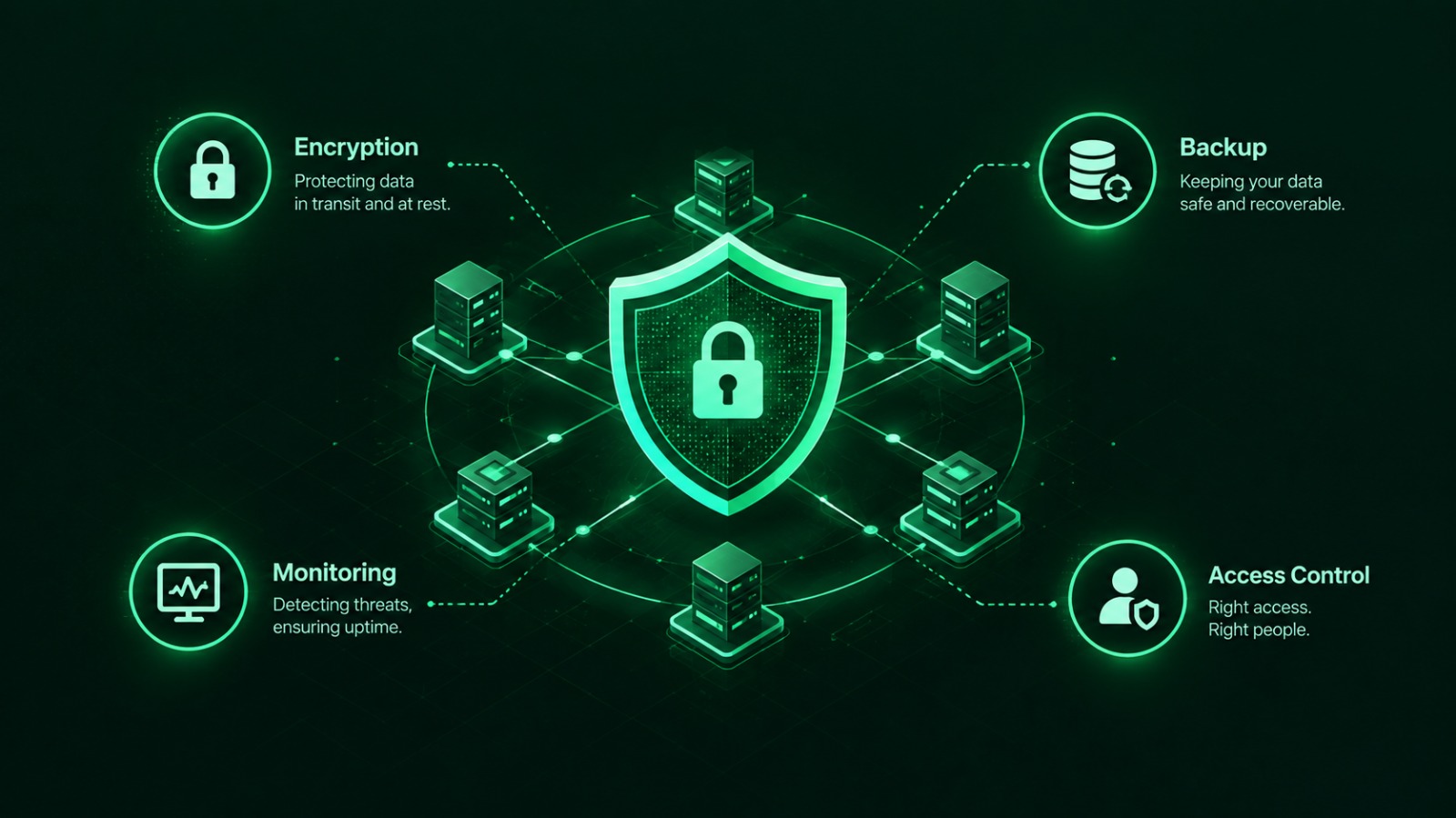
Secure infrastructure means:
- Access to servers, databases, and cloud accounts is tightly controlled (least privilege, MFA, no shared credentials).
- Data is encrypted in transit and at rest.
- Systems are patched and scanned for vulnerabilities on a schedule, not "whenever someone remembers."
- There's an audit trail for who changed what, and when.
Resilient infrastructure means:
- The system can absorb failure — a server crashing, a data center going down, a traffic spike — without taking your whole business offline.
- You have automated backups and a tested disaster recovery (DR) plan, not just a backup button nobody has clicked in a year.
- Failures are detected and often self-healed (auto-restart, auto-scaling, failover) before a customer even notices.
- You know your
Recovery Time Objective (RTO)andRecovery Point Objective (RPO)— how fast you can recover, and how much data you can afford to lose.
Put together: secure infrastructure keeps attackers out; resilient infrastructure keeps the business running when something inevitably goes wrong anyway. You need both — a secure system that falls over during a traffic spike is just as costly as a resilient one that gets breached.
3. How DevOps Helps Your Business and Infrastructure
Here's where it gets concrete. A DevOps function — whether it's two in-house engineers or an outsourced team — typically delivers:
| Area | What DevOps Does | Business Impact |
|---|---|---|
Deployment |
Automates releases via CI/CD pipelines | Ship features in hours, not weeks; fewer human errors |
Infrastructure |
Manages servers/cloud via Infrastructure as Code (Terraform, Ansible) | Rebuild an entire environment in minutes after a failure |
Monitoring |
Sets up dashboards, alerts, and logging (Prometheus, Grafana, ELK) | Problems are caught before customers complain |
Security |
Embeds vulnerability scanning, secrets management, access control into the pipeline | Fewer breaches, easier compliance (ISO 27001, SOC 2, GDPR) |
Cost control |
Right-sizes cloud resources, automates scaling | Lower cloud bills, no over-provisioning |
Disaster recovery |
Builds and tests backup/failover plans | Business survives outages instead of losing days of revenue |
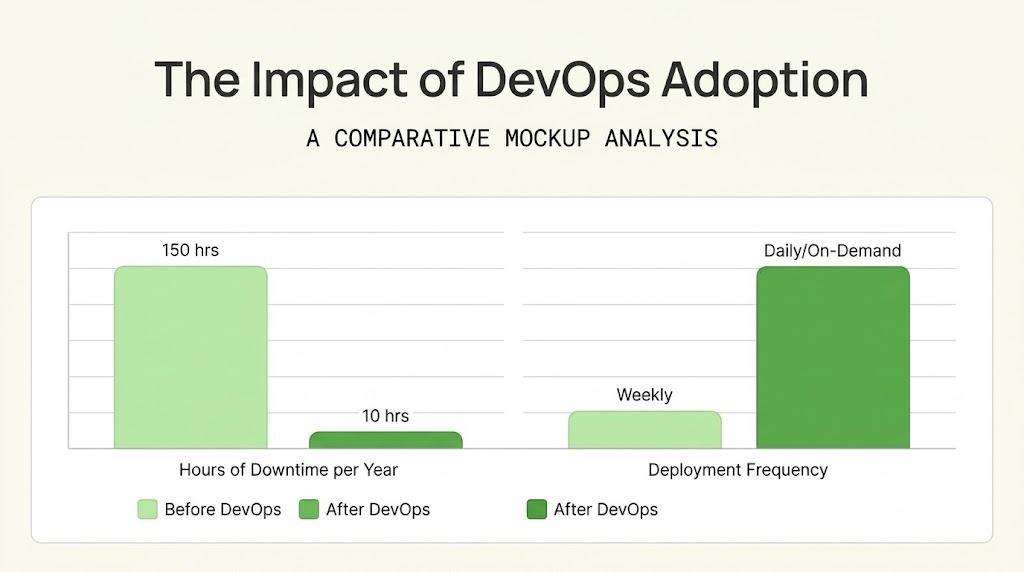
For a non-technical founder, the ROI case is straightforward: downtime and breaches are measured in real money — lost sales, refunds, reputational damage, and in regulated industries, fines. A DevOps department is the insurance policy and the growth engine at the same time, because the same automation that prevents outages also lets you ship products faster.
4. DevOps Case Study #1 (Technical Perspective): Netflix and Chaos Engineering
The problem: As Netflix moved from DVD rentals to global streaming, it shifted from a monolithic data-center application to a cloud-native, microservices architecture on AWS. At that scale, some component fails on any given day — the question was whether the whole platform would go down with it.
The DevOps approach:
- Netflix broke its application into independent microservices so a failure in one (say, the recommendation engine) wouldn't take down playback.
- It built
Chaos Monkeyand the broaderChaos Engineeringpractice — deliberately killing servers and services in production to verify the system could survive real failures, rather than assuming it could. - Automated rollback and self-healing systems meant that when something did break, the platform reverted to a stable state without a human needing to intervene at 3 a.m.
The result: Netflix can now deploy code thousands of times per day and automatically recover from most failures with no visible user impact, even while running one of the largest streaming infrastructures in the world.
Why it matters for your business: You don't need Netflix's scale to apply the lesson. Even a small business can ask, "What happens if our payment gateway server goes down for an hour?" and build automated failover for that one critical dependency. That's chaos engineering thinking applied at a small-business budget.
Reference: DevOps Case Studies Compilation, DevOpsSchool; DevOps Success Stories, Attract Group
5. DevOps Case Study #2 (Business Perspective): DocuSign's Infrastructure-as-Code Transformation
The problem: DocuSign handles millions of legally binding digital transactions. Any downtime or security lapse isn't just an inconvenience — it's a breach of trust and, potentially, a compliance failure, since the business operates in a heavily regulated space (e-signature law, data privacy).
The DevOps approach:
- DocuSign adopted
Infrastructure as Codeusing tools like Terraform and Kubernetes, so every environment — staging, production, disaster recovery — was defined, version-controlled, and reproducible. - Automated monitoring and proactive issue detection were built into the pipeline, catching problems before they escalated.
- Security and compliance checks were automated inside the deployment pipeline, rather than being a manual sign-off that slowed releases down.
The result: Faster, more reliable deployments; improved uptime and system resilience; and the ability to scale services independently via microservices — all while continuing to meet strict security and compliance requirements.
Why it matters for your business: This case study speaks directly to owners in regulated or trust-sensitive industries (fintech, healthcare, legal tech, e-commerce handling payment data). The lesson is that security and speed aren't a trade-off — automating compliance checks into your deployment process lets you move fast and stay audit-ready.
Reference: DevOps Case Studies: Real-World Success Stories, GSDC
6. How to Build a DevOps Department: A Realistic Path for Small and Mid-Sized Businesses
You don't need a 20-person DevOps team on day one. A realistic path looks like:
Audit what you have— map your current infrastructure, identify single points of failure, and check who has access to what.Automate deployments first— even a basic CI/CD pipeline removes the most common source of human error.Add monitoring and alerting— you can't fix what you can't see.Introduce Infrastructure as Code— so your environment can be rebuilt in minutes, not days.Bake in security from the start— vulnerability scanning, secrets management, and access controls shouldn't be an afterthought.Test your disaster recovery plan— a backup you've never restored from isn't a real backup.
Whether you hire in-house DevOps engineers or bring in a specialized partner to set this up, the goal is the same: infrastructure that survives failure, resists attack, and lets your business ship faster instead of slower.
Frequently Asked Questions
What is DevOps in simple terms for a business owner?
DevOps is the practice of merging software development and IT operations into one continuous workflow, using automation, monitoring, and security built into every release — so your infrastructure is faster to update and harder to break.
What's the difference between secure infrastructure and resilient infrastructure?
Secure infrastructure keeps attackers and unauthorized access out (encryption, access control, patching). Resilient infrastructure keeps the business running when something fails anyway (backups, failover, disaster recovery). A strong setup needs both.
Do small businesses really need a DevOps department?
Not necessarily a full department — even one or two DevOps-focused engineers, or an outsourced DevSecOps partner, can automate deployments, set up monitoring, and build a tested backup plan, which covers most of the resilience gap for a small or mid-sized business.
How does DevOps reduce downtime and security risk?
By automating deployments, infrastructure provisioning, and security checks, DevOps removes the manual errors that cause most outages and breaches, while continuous monitoring catches problems before they affect customers.
References
- TO THE NEW Blog — DevOps and Business Resiliency: Building Robust Systems to Navigate Operational Disruptions
- Mihir Popat, Medium — 5 Real-World DevOps Case Studies You Can Learn From
- Vinod Bhat, Medium — DevOps in Action: Real-world Case Studies
- Attract Group — DevOps Success Stories: Real-Life Case Studies
- GSDC Council — DevOps Case Studies: Real-World Success Stories That Inspire Transformation
- DevOpsSchool — DevOps Case Studies Compilation
- Forbes Technology Council — Four DevOps Best Practices For IT Infrastructure Optimization To Build Business Resilience
- #devops
- #infrastructure
- #resilience

Written by
Kodesec ResearchResearch team